
Learn What Successful Businesses Do, One Ebook at a Time
Whether you're launching a startup or leading a growing team, find ebooks that help you make smarter decisions and get results
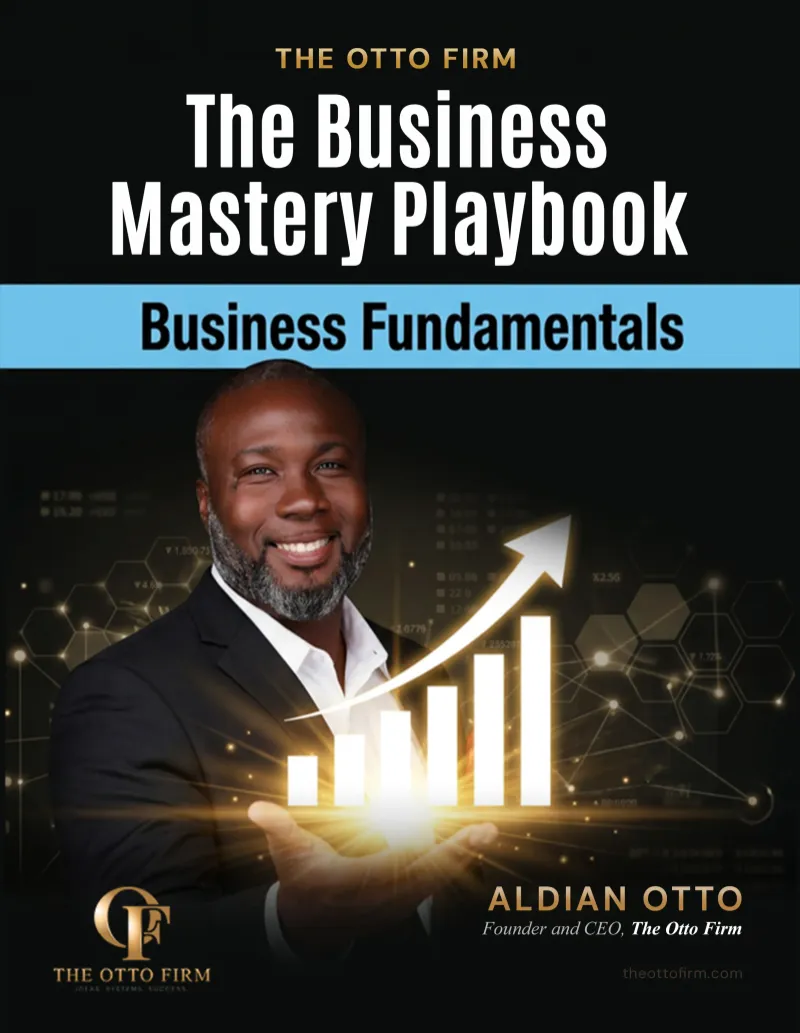
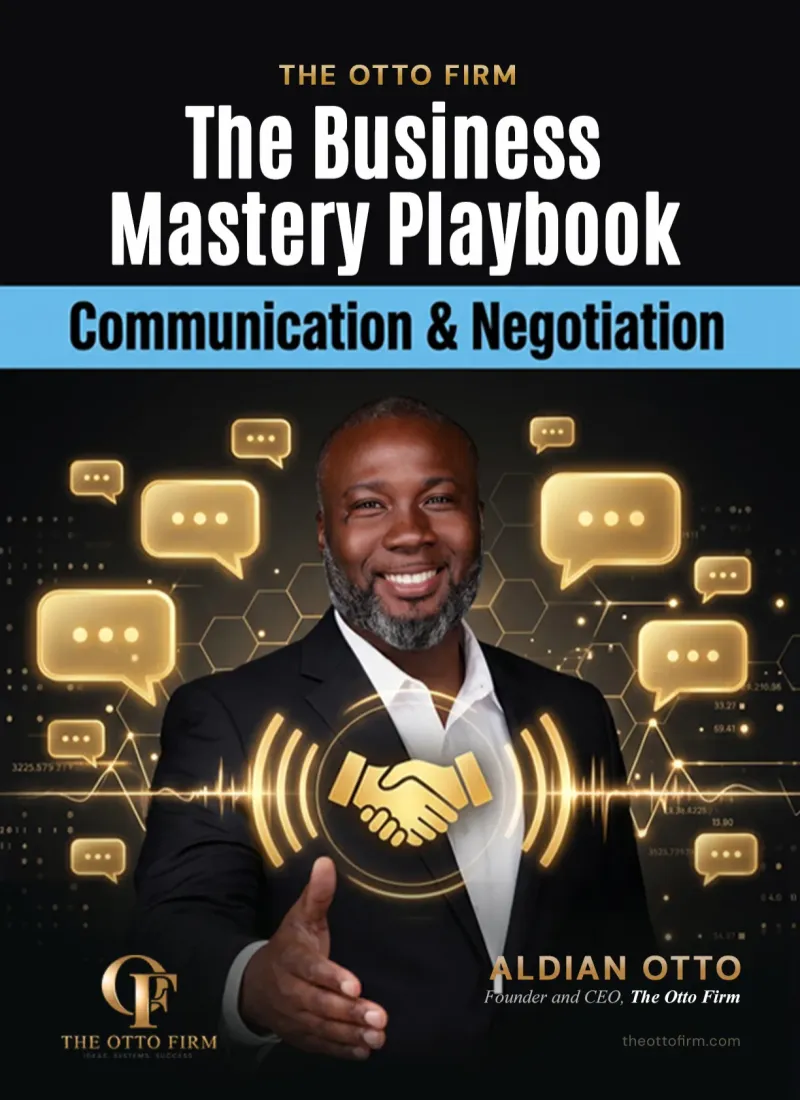
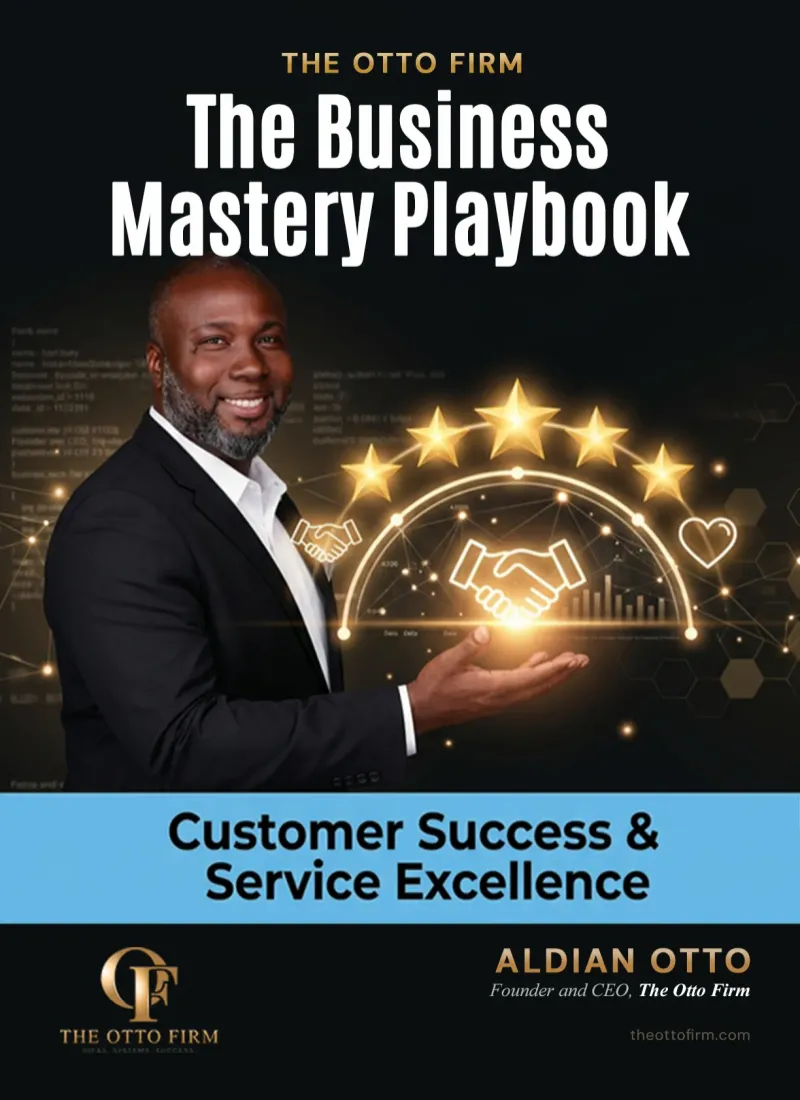


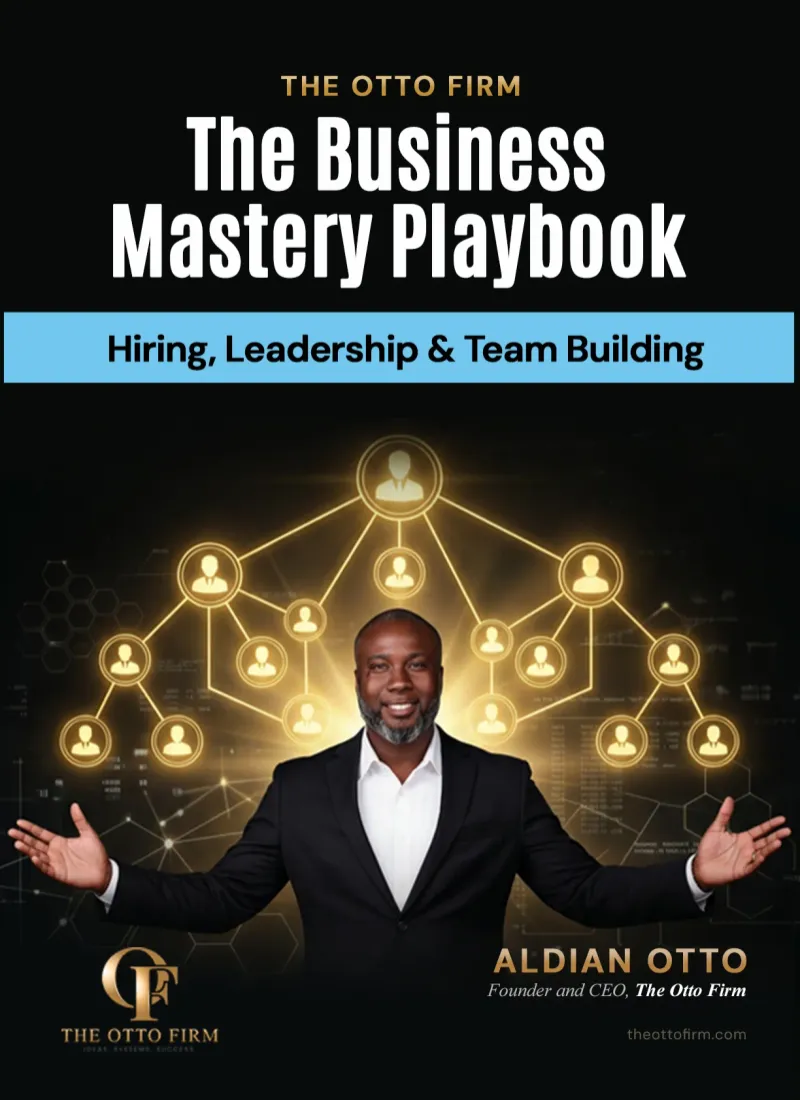

Let's Make Your Vision A
Reality
At The Otto Firm, we specialize in customizable promotional items designed to elevate your brand's visibility. With a wide range of products tailored for effective marketing campaigns, we empower businesses to make a lasting impression on their audience.
Our mission is simple: to provide innovative marketing solutions that meet and exceed our clients' needs. From branded apparel to tech gadgets, we offer a diverse selection of practical and memorable promotional items for every occasion.
Your Customizable Marketing Merchandiser
Elevate Your Brand and Leave a Lasting Impression with Personalized Promotional Solutions Tailored to Your Business Needs. Stand Out in the Market, Engage Your Audience, and Drive Results with Customizable Merchandise from BrandBoost.
What Client Our Says About Us

Company Name should look
for ones that are specific,
detailed, and highlight the
unique benefits of working with
the company.
Alex John Martin
Manager
Company Name should look
for ones that are specific,
detailed, and highlight the
unique benefits of working with
the company.
Alex John Martin
Manager
Company Name should look
for ones that are specific,
detailed, and highlight the
unique benefits of working with
the company.
Alex John Martin
Manager
Frequently Asked Question
Welcome to our FAQs section, where we address common questions and provide helpful answers about our services as a marketing merchandiser specializing in customizable promotional items. Whether you're new to promotional merchandise or a seasoned marketer looking to enhance your brand's visibility, our FAQs are here to provide clarity and guidance.

Can I customize the promotional items with my company logo?
Yes, we offer customization options to showcase your brand identity.
What types of promotional items do you offer?
We provide a diverse range of customizable merchandise for marketing.
What is the minimum order quantity for personalized items?
Minimum order quantities vary depending on the selected product.
How long does it take to receive my customized items?
Production times vary but are typically within 7-10 business days.
Do you offer rush shipping options for urgent orders?
Yes, we offer expedited shipping options for time-sensitive orders.
See Our Latest Blogs
Stay up-to-date with our latest insights, tips, and trends by diving into our newest blogs. Whether you're seeking industry expertise, marketing strategies, or product inspiration, our blog section is your go-to resource for valuable content.
Small Business Automation: What to Automate First and How
You started your business to do the work you love. Instead, your days fill up with replying to inquiries, chasing invoices, sending reminders and copying the same data from one app to another. Small business automation takes those repeat tasks off your plate so they happen on time, every time, without you.
This guide shows you what automation really means for a small business, the tasks worth automating first and a simple six step plan to set it up. You will also learn the mistakes that make automation backfire and the email and text rules to follow.
Quick Answer
Small business automation uses software to handle repeat tasks for you. Start with the work that touches revenue: replying to new leads, booking appointments, follow up messages, invoices and payment reminders. Automate one process at a time, test it with a real customer and keep a human in the loop for anything personal.
What Does Automation Mean for a Small Business?
Automation is a simple rule: when something happens, do something. A trigger starts the process and an action follows. For example, when a lead fills out your website form, your system texts them a thank you, adds them to your CRM and alerts your team.
You do not need a developer for this. Most tools small businesses already use, like CRMs, booking apps, email platforms and accounting software, include built in automations. Connector tools can link apps that do not talk to each other on their own.
Automation is not about replacing people. It handles the predictable steps so your team can focus on conversations, decisions and service that need a human touch.
Signs Your Business Is Ready for Automation
Not every business needs automation on day one. These signs tell you it is time:
• Leads wait hours or days for a first reply
• You type the same emails and texts over and over
• Invoices go out late or unpaid invoices slip through
• Clients miss appointments because nobody reminded them
• Data lives in many places: your inbox, a spreadsheet, your phone and sticky notes
• You are the bottleneck: nothing moves unless you touch it
If two or more of these sound familiar, automation can give you time back and make your business more consistent.
Eight Tasks to Automate First
Start where automation protects revenue and saves the most repeat effort. Here is where most small businesses get the fastest wins.
1. Instant Reply to New Leads
What to do: Send an automatic text or email the moment someone fills out a form, calls or messages you. Include a booking link or a clear next step.
Why it matters: Speed often decides who wins the client. A fast, friendly reply shows you are organized and keeps the lead from calling a competitor.
Mistake to avoid: A robotic message with no next step. Write it like a person and tell the lead exactly what happens next.
2. Appointment Booking and Reminders
What to do: Use an online booking calendar so clients pick their own time. Set automatic confirmations plus reminders the day before and the morning of.
Why it matters: It ends the back and forth about times and cuts no shows.
Mistake to avoid: Forgetting buffer time between appointments or letting clients book hours you are not available.
3. Follow Up Sequences
What to do: Build a short series of messages for leads who have not booked yet and for past clients who might buy again.
Why it matters: Many sales happen after several touches. Automation makes sure no lead is forgotten. SCORE notes that marketing automation helps small teams focus their time on the prospects most likely to buy.
Mistake to avoid: Sending too many messages too fast. Space them out and stop the sequence once someone replies or books.
4. Invoices and Payment Reminders
What to do: Send invoices automatically when a job is done or on a set schedule. Turn on polite reminders before and after the due date with an online payment link.
Why it matters: An invoice is not money in the bank. Reminders help you collect faster without awkward calls.
Mistake to avoid: Harsh reminder wording. Keep it friendly and make paying as easy as one click.
5. Client Onboarding
What to do: When a client signs, trigger a welcome email, your contract, an intake form and the first meeting link.
Why it matters: Every client gets the same professional start, even on your busiest week.
Mistake to avoid: Sending everything at once. Space the steps so clients are not overwhelmed.
6. Review Requests
What to do: Ask happy clients for a review a few days after the job or project ends, with a direct link.
Why it matters: Reviews build trust with new buyers and most people simply forget to leave one unless asked.
Mistake to avoid: Offering rewards for reviews or asking only for positive ones. Ask every client honestly.
7. Bookkeeping Data Entry
What to do: Connect your bank and card accounts to your accounting software so transactions flow in automatically. Set rules to categorize common expenses.
Why it matters: Less manual typing means fewer errors and cleaner books at tax time.
Mistake to avoid: Never reviewing the results. Check your categories each month or have your bookkeeper do it.
8. Your Weekly Numbers Report
What to do: Set up a simple dashboard or weekly email that shows new leads, reply speed, new clients and cash collected.
Why it matters: You cannot grow what you cannot see. A report that arrives on its own makes reviewing your numbers a habit.
Mistake to avoid: Tracking too many metrics. Start with a handful that tie directly to revenue.
How to Set Up Small Business Automation in Six Steps
Automation works best when you build it on a clear process. Follow these steps in order.
Step 1: Map Your Current Process
Write down every step from first contact to paid invoice. Note who does each step and which tool they use. You cannot automate a process you have not defined.
Step 2: Pick One Bottleneck
Choose the single task that costs you the most time or money. Slow lead replies and late invoices are common starting points. Fix one thing well before you add more.
Step 3: Choose Tools That Connect
Check what your current tools can already do before you buy something new. When you do add a tool, make sure it connects to your CRM, calendar and accounting software.
Step 4: Build It Simple
Start with one trigger and a few actions. Write your messages in your own voice. You can always add branches and conditions later.
Step 5: Test With a Real Scenario
Fill out your own form, book your own appointment and pay your own test invoice. Check every message on a phone. Fix broken links and awkward wording before customers see them.
Step 6: Measure and Improve
Review results after a few weeks. Are leads booking faster? Are invoices paid sooner? Adjust timing and wording, then move to the next bottleneck.
Manual Work vs Automated Work
Here is how common tasks change once you automate them.
Task | Manual way | Automated way |
New lead reply | You reply when you see the message | Instant text or email with a booking link |
Scheduling | Back and forth emails about times | Client books online with automatic reminders |
Follow up | Depends on your memory | Timed sequence that stops when they reply |
Invoicing | Created and sent by hand | Sent on completion with payment reminders |
Onboarding | Different every time | Same welcome, contract and intake for every client |
Reporting | Pulled together when you have time | Weekly numbers delivered automatically |
Common Automation Mistakes to Avoid
• Automating a broken process: automation makes a messy process faster, not better. Fix the steps first.
• Buying too many tools: each new app adds cost and another login. Use what you have before adding more.
• Losing the human touch: keep personal calls and real replies for complaints, big sales and loyal clients.
• Set it and forget it: links break and offers change. Review your automations every few months.
• No owner: assign one person to watch each automation so problems get caught early.
Follow the Rules for Automated Emails and Texts
Automated messages still have to follow the law. For commercial email, the FTC CAN-SPAM Act compliance guide explains the basics: use honest subject lines, include a valid physical postal address, give a clear way to opt out and honor opt out requests within 10 business days.
Text messages have their own rules. In general, get clear permission before you send automated marketing texts and make it easy for people to reply STOP. Rules can change and vary by situation, so confirm your setup with a licensed attorney.
Example: A Simple Automation Setup
This is a hypothetical example, not a real client. Picture a small cleaning company that gets inquiries through its website and social media.
1. A lead fills out the quote form and gets an instant text with a booking link.
2. The lead books a walkthrough and receives reminders the day before and the morning of.
3. If the lead does not book, a short follow up sequence runs over the next week.
4. After the job, the invoice goes out automatically with a payment link and friendly reminders.
5. A few days later, the client gets a thank you message with a review link.
The owner still handles the walkthrough and the client relationship. The system handles the reminders, the paperwork and the follow up.
Build Systems That Run Without You
Automation works best inside a business that already has clear processes, the right tools and someone accountable for each step. At The Otto Firm, systems and automation are part of the Infrastructure phase of our 120 day Business Build, so your lead flow, client onboarding and follow up are set up to run consistently from day one.
Frequently Asked Questions
What should a small business automate first?
Start with tasks that touch revenue: instant replies to new leads, appointment reminders, follow up messages and invoice reminders. These save time and help you win and collect more business.
Is automation expensive for a small business?
Not always. Many tools you already pay for include automation features. Start with those, then add paid tools only when a clear bottleneck justifies the cost.
Will automation make my business feel impersonal?
It does not have to. Write messages in your own voice, use first names and keep real conversations for complaints, big decisions and loyal clients.
How long does it take to set up automation?
A single automation, like an instant lead reply, can take an afternoon. A full system covering leads, booking, onboarding and invoicing usually takes a few weeks.
Tool features and pricing change often. Confirm current details on each vendor website. Check email and text rules with a licensed attorney.
Your Next Step
Pick one task that eats your time this week. Map it, automate it, test it and measure the result. Then move to the next one.
Not sure which systems your business is missing? Take the free Business Readiness Assessment to see where you stand, or book a free strategy call at theottofirm.com.
About the Author Aldian Otto is the founder of The Otto Firm, a business consulting firm that helps entrepreneurs build businesses that are ready to run. He works with owners on strategy, operations and systems so their companies can grow with structure. |

About Us
Brand your success with personalized promotional merchandise that captivates your audience.
Social Media


Contact Us
Phone: (561) 984-9945
Email: [email protected]
1501 Biscayne Blvd Ste 501, Miami Florida 33132
Copyright© 2026 The Otto Firm - All Rights Reserved.